
Why Do Women Still Have to Choose Between Being a “Good Mother” and an “Effective Leader”?
04.03.2026
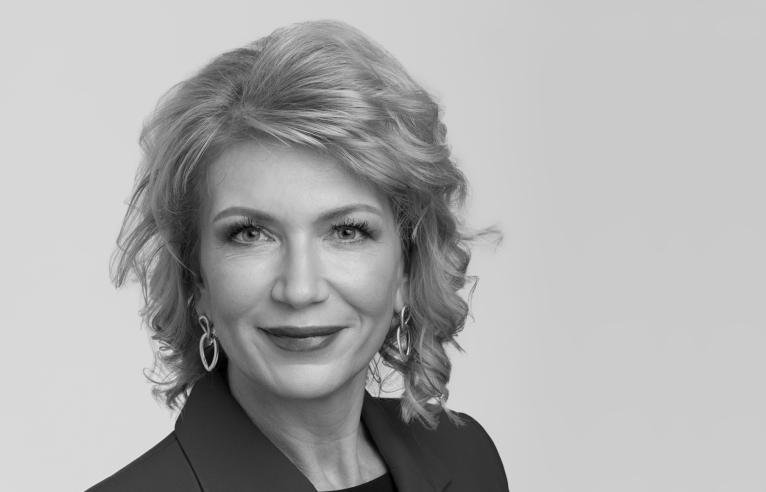
Olga Dzene, Leadership Development Expert, Figure Baltic Advisory
In March, as we mark International Women’s Day, public discourse often focuses on women’s achievements, inspiring leadership stories, and equal opportunities. In international rankings, Latvia frequently appears to perform well: women have high levels of education, strong participation in the labor market, and formally equal rights. Yet, despite these indicators, women remain underrepresented in top executive roles. This creates a paradox: why, in a country with strong formal gender equality metrics, do women so rarely reach the highest levels of leadership? The answer does not lie in women’s competence or ambition. Research shows that barriers emerge at multiple levels - societal, organizational, and individual - and these layers reinforce one another.
Professional Ambition and Family Responsibilities
Women’s employment rates in Latvia have traditionally been high. However, a significant part of society still assumes that childcare and family responsibilities primarily rest on women’s shoulders. Although the legal framework grants both parents equal rights to parental leave, in practice it is most often mothers who take on the majority of caregiving duties.
As a result, women are more likely to adjust career choices to family needs, decline roles that require intensive schedules, or postpone professional ambitions. At the same time, a persistent belief remains that a “good leader” is available 24/7, constantly ready to make decisions and free from external commitments. This model of the “ideal worker” implicitly excludes those with caregiving responsibilities. Consequently, many women find themselves in a situation where they feel forced to choose between being a “good mother” and an “effective leader” - even though, objectively, both roles can coexist.
Identity Load and Burnout
An important issue that is rarely discussed on International Women’s Day is the psychological cost women often pay for professional success. Research indicates that organizational barriers are closely linked to burnout risk.
Women leaders frequently face an additional burden beyond their formal responsibilities: they must regulate their behavior carefully to avoid confirming stereotypes. They may feel pressured to balance perceptions of being “too emotional” versus “too strict,” to limit self-promotion so as not to appear overly ambitious, and to continuously monitor how they are perceived.
This constant self-surveillance constitutes invisible labor that consumes significant energy. When combined with high organizational demands and societal expectations related to caregiving, the risk of burnout becomes very real.
Why Confidence-Building Alone Is Not Enough
When discussing gender equality in the labor market, the focus often shifts to individual development: mentoring, coaching, confidence-building initiatives. These tools are valuable, but individual resources alone cannot dismantle structural barriers. If the system itself remains unchanged, personal growth alone cannot deliver fair outcomes. This means that responsibility for change must also be assumed by organizations and policymakers. It involves reviewing recruitment, promotion, and compensation processes, strengthening access to childcare, and normalizing fathers’ participation in parental leave.
What Should International Women’s Day Teach Us?
International Women’s Day is not only about celebration - it is also an opportunity to ask important and sometimes uncomfortable questions, both as a society and within individual organizations. For example: are promotion criteria in our company clear and transparent, are decisions based on structured evaluation or informal networks, do we value measurable results, or physical availability at any hour of the day?
Latvia’s paradox - high formal gender equality but low female representation in top management - is not proof that women lack the desire or ability to lead. It is a signal that systemic mechanisms continue to create invisible barriers.
If we want the coming decades to be defined not by conversations about the “lack of women in leadership,” but by balanced representation as the norm, change must occur not within women, but within structures. Only then will International Women’s Day become a true symbol of equality - rather than a reminder of unfinished work.